

Carbon Negative Impact Positive
Every Carbon-Carrier Pod deployment is independently audited from production to deep-ocean sequestration.
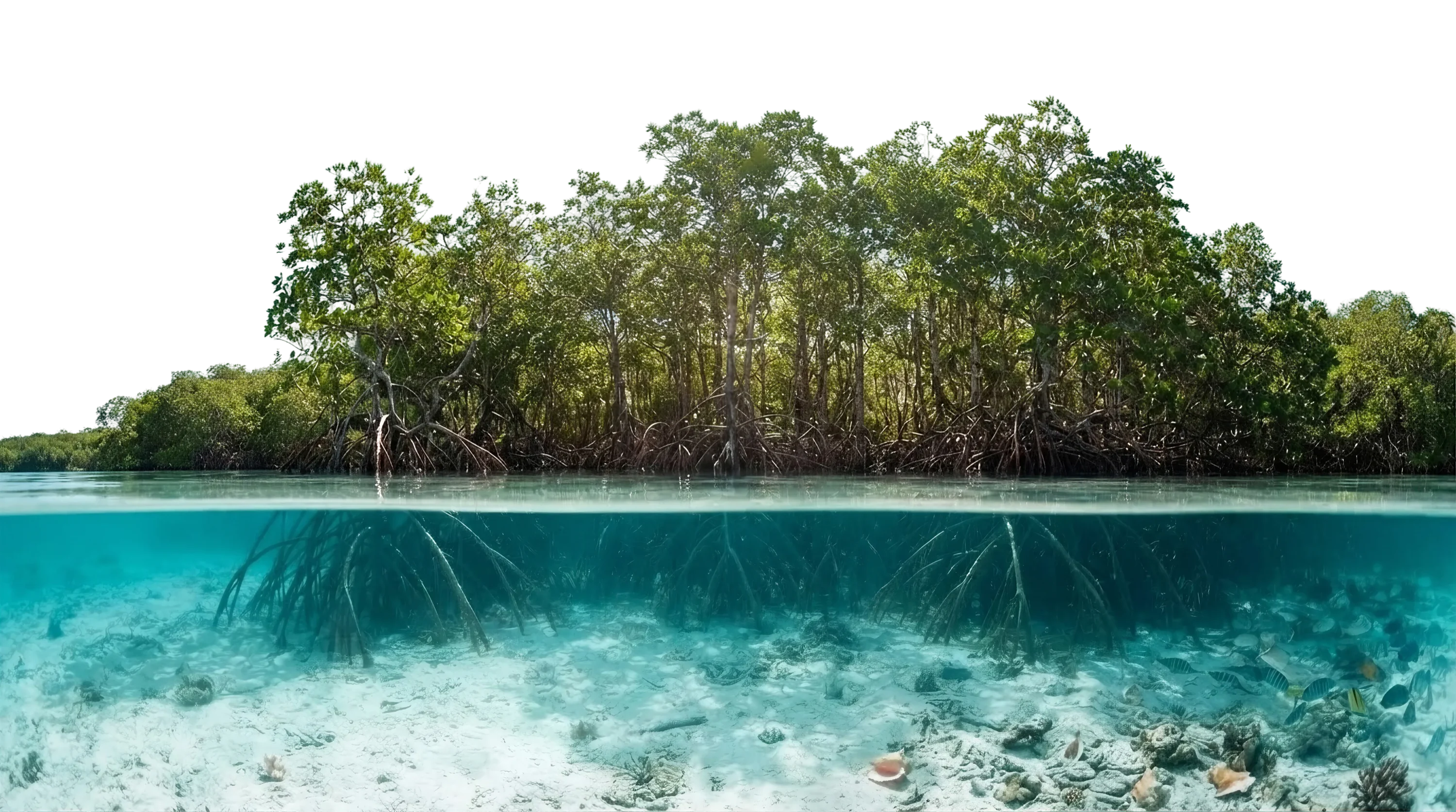
*Based on a global mean mangrove organic-carbon burial rate of 183.6 t C km⁻² yr⁻¹ (~673 t CO₂ km⁻² yr⁻¹). Actual rates vary by ecosystem and location. Source: Alongi (2022).
*Gigablue updates its projections annually as evidence expands, regulatory pathways advance, market demand grows, and operational capacity scales.
*Based on a global mean mangrove organic-carbon burial rate of 183.6 t C km⁻² yr⁻¹ (~673 t CO₂ km⁻² yr⁻¹). Actual rates vary by ecosystem and location. Source: Alongi (2022).
*Gigablue updates its projections annually as evidence expands, regulatory pathways advance, market demand grows, and operational capacity scales.
Carbon Negative Impact Positive
Every Carbon-Carrier Pod deployment is independently audited from production to deep-ocean sequestration.
*Based on a global mean mangrove organic-carbon burial rate of 183.6 t C km⁻² yr⁻¹ (~673 t CO₂ km⁻² yr⁻¹). Actual rates vary by ecosystem and location. Source: Alongi (2022).
*Gigablue updates its projections annually as evidence expands, regulatory pathways advance, market demand grows, and operational capacity scales.
*Based on a global mean mangrove organic-carbon burial rate of 183.6 t C km⁻² yr⁻¹ (~673 t CO₂ km⁻² yr⁻¹). Actual rates vary by ecosystem and location. Source: Alongi (2022).
*Gigablue updates its projections annually as evidence expands, regulatory pathways advance, market demand grows, and operational capacity scales.
Carbon Negative Impact Positive
Every Carbon-Carrier Pod deployment is independently audited from production to deep-ocean sequestration.
*Based on a global mean mangrove organic-carbon burial rate of 183.6 t C km⁻² yr⁻¹ (~673 t CO₂ km⁻² yr⁻¹). Actual rates vary by ecosystem and location. Source: Alongi (2022).
*Gigablue updates its projections annually as evidence expands, regulatory pathways advance, market demand grows, and operational capacity scales.
*Based on a global mean mangrove organic-carbon burial rate of 183.6 t C km⁻² yr⁻¹ (~673 t CO₂ km⁻² yr⁻¹). Actual rates vary by ecosystem and location. Source: Alongi (2022).
*Gigablue updates its projections annually as evidence expands, regulatory pathways advance, market demand grows, and operational capacity scales.
OUR VISION
OUR VISION
The Standard We Operate By
The Standard We Operate By
The Standard We Operate By
We deliver marine carbon dioxide removal (mCDR) with uncompromising integrity, grounding every aspect of our operations in environmental safety, local and Indigenous collaboration, durability, and credibility.
We deliver marine carbon dioxide removal (mCDR) with uncompromising integrity, grounding every aspect of our operations in environmental safety, local and Indigenous collaboration, durability, and credibility.
We deliver marine carbon dioxide removal (mCDR) with uncompromising integrity, grounding every aspect of our operations in environmental safety, local and Indigenous collaboration, durability, and credibility.

Environmental
Safety
Environmental
Safety

Credibility
Environmental
Safety

Durability
Environmental
Safety

Local
& Indigenous
Collaboration
OUR COMMITMENT
OUR COMMITMENT
OUR COMMITMENT
Sustainable Development
Through Ocean Action
Sustainable Development
Through Ocean Action
Sustainable Development
Through Ocean Action
Every Carbon-Carrier Pod deployment contributes to UN Sustainable Development Goals spanning climate, ocean health, responsible production, economic opportunity, and global partnership.
Every Carbon-Carrier Pod deployment contributes to UN Sustainable Development Goals spanning climate, ocean health, responsible production, economic opportunity, and global partnership.
Every Carbon-Carrier Pod deployment contributes to UN Sustainable Development Goals spanning climate, ocean health, responsible production, economic opportunity, and global partnership.



“
“
"Climate Change", United Nations Environment Programme (UNEP)
"Climate Change",
United Nations Environment Programme (UNEP)
"Climate Change", United Nations Environment Programme (UNEP)

COMMUNITY & STEWARDSHIP
COMMUNITY & STEWARDSHIP
COMMUNITY & STEWARDSHIP
The Ocean
Belongs to Everyone
The Ocean
Belongs to Everyone
The Ocean
Belongs to Everyone
Before deploying a single Carbon-Carrier Pod, we listen to the people who have stewarded these waters for generations.
Before deploying a single Carbon-Carrier Pod, we listen to the people who have stewarded these waters for generations.
Before deploying a single Carbon-Carrier Pod, we listen to the people who have stewarded these waters for generations.
How Gigablue believes it should be done
How Gigablue believes it should be done
How Gigablue believes it should be done
Carbon removal at ocean scale must be developed alongside the communities whose livelihoods and cultures are connected to the waters where we operate. That is not a compliance requirement, but rather how Gigablue believes science should be done.
Carbon removal at ocean scale must be developed alongside the communities whose livelihoods and cultures are connected to the waters where we operate. That is not a compliance requirement, but rather how Gigablue believes science should be done.
Carbon removal at ocean scale must be developed alongside the communities whose livelihoods and cultures are connected to the waters where we operate. That is not a compliance requirement, but rather how Gigablue believes science should be done.
Beginning with community engagement
Beginning with community engagement
Beginning with community engagement
When Gigablue enters a new geography, we begin with community engagement, not operations. We introduce ourselves, share our science openly, and invite communities to shape how they want to be involved.
When Gigablue enters a new geography, we begin with community engagement, not operations. We introduce ourselves, share our science openly, and invite communities to shape how they want to be involved.
When Gigablue enters a new geography, we begin with community engagement, not operations. We introduce ourselves, share our science openly, and invite communities to shape how they want to be involved.
Foundational indigenous knowledge
Foundational indigenous knowledge
Foundational indigenous knowledge
Their response shapes everything that follows: from site selection and trial design to data sharing, employment, and ongoing monitoring. Indigenous and local knowledge of a marine environment is not supplementary to our research, it is foundational.
Their response shapes everything that follows: from site selection and trial design to data sharing, employment, and ongoing monitoring. Indigenous and local knowledge of a marine environment is not supplementary to our research, it is foundational.
Their response shapes everything that follows: from site selection and trial design to data sharing, employment, and ongoing monitoring. Indigenous and local knowledge of a marine environment is not supplementary to our research, it is foundational.
Create tangible local benefits
We prioritise local employment, procurement, and research partnerships in every region of operation.
Act with integrity and transparency
We keep stakeholders informed of activities, progress, and findings throughout our entire research process.
Respect the right to say no
Communities have the right to assess our work and decline involvement.
Share the science openly
Research findings, trial data, and environmental assessments are shared with local stakeholders as they evolve.
Engage before we deploy
Community conversations begin before permitting, not after.
Create tangible local benefits
We prioritise local employment, procurement, and research partnerships in every region of operation.
Act with integrity and transparency
We keep stakeholders informed of activities, progress, and findings throughout our entire research process.
Respect the right to say no
Communities have the right to assess our work and decline involvement.
Share the science openly
Research findings, trial data, and environmental assessments are shared with local stakeholders as they evolve.
Engage before we deploy
Community conversations begin before permitting, not after.


Working with Ngāi Tahu in Aotearoa New Zealand
Local Partnership In Practice

When Gigablue identified the Great South Basin – approximately 200 km southeast of Dunedin – as an AOI for field trials in the New Zealand Exclusive Economic Zone, our first conversation was not with regulators. It was with Te Rūnanga o Ngāi Tahu (TRoNT).
Ngāi Tahu are the principal iwi (tribe) of the South Island of New Zealand, and the ocean within their takiwā (tribal area) is taonga, a treasured resource held in trust for future generations. Their Climate Change Strategy, He Rautaki mō te Huringa o te Āhuarangi, sets out an intergenerational vision: to become carbon neutral, restore taonga species and habitats, and secure the best possible future for their people.
Gigablue's MCFS research reflected many of these priorities, but alignment had to be demonstrated, not assumed.
Through ongoing dialogue facilitated by official TRoNT spokesmen, Cherie Tirikatene and Ailsa Cain both whose whakapapa (heritage) is Ngāi Tahui, TRoNT signalled support for trialling new carbon removal technologies within its takiwā on the condition that innovation, research, and monitoring remained central to the relationship.
"This approach supports a future where marine stewardship is led by iwi, informed by both science and mātauranga Māori." – Te Rūnanga o Ngāi Tahu, via Kauati, October 2
They were clear that the research findings and data collected during Gigablue's field trials would be directly valuable to Te Rūnanga's own environmental stewardship and best practice development. A future, as they described it, where marine stewardship is led by iwi, informed by both science and mātauranga Māori.
Gigablue made a formal commitment: to act with integrity, transparency, and a duty of care in all operations within the Ngāi Tahu takiwā, and to keep Te Rūnanga informed of activities and progress throughout.
That commitment is not a footnote. It is part of how our New Zealand trials are designed, reported, and reviewed.
Working with Ngāi Tahu in Aotearoa New Zealand
Local Partnership In Practice
When Gigablue identified the Great South Basin – approximately 200 km southeast of Dunedin – as an AOI for field trials in the New Zealand Exclusive Economic Zone, our first conversation was not with regulators. It was with Te Rūnanga o Ngāi Tahu (TRoNT).
Ngāi Tahu are the principal iwi (tribe) of the South Island of New Zealand, and the ocean within their takiwā (tribal area) is taonga, a treasured resource held in trust for future generations. Their Climate Change Strategy, He Rautaki mō te Huringa o te Āhuarangi, sets out an intergenerational vision: to become carbon neutral, restore taonga species and habitats, and secure the best possible future for their people.
Gigablue's MCFS research reflected many of these priorities, but alignment had to be demonstrated, not assumed.
Through ongoing dialogue facilitated by official TRoNT spokesmen, Cherie Tirikatene and Ailsa Cain both whose whakapapa (heritage) is Ngāi Tahui, TRoNT signalled support for trialling new carbon removal technologies within its takiwā on the condition that innovation, research, and monitoring remained central to the relationship.
"This approach supports a future where marine stewardship is led by iwi, informed by both science and mātauranga Māori." – Te Rūnanga o Ngāi Tahu, via Kauati, October 2
They were clear that the research findings and data collected during Gigablue's field trials would be directly valuable to Te Rūnanga's own environmental stewardship and best practice development. A future, as they described it, where marine stewardship is led by iwi, informed by both science and mātauranga Māori.
Gigablue made a formal commitment: to act with integrity, transparency, and a duty of care in all operations within the Ngāi Tahu takiwā, and to keep Te Rūnanga informed of activities and progress throughout.
That commitment is not a footnote. It is part of how our New Zealand trials are designed, reported, and reviewed.
Working with Ngāi Tahu in Aotearoa New Zealand
Local Partnership In Practice
When Gigablue identified the Great South Basin – approximately 200 km southeast of Dunedin – as an AOI for field trials in the New Zealand Exclusive Economic Zone, our first conversation was not with regulators. It was with Te Rūnanga o Ngāi Tahu (TRoNT).
Ngāi Tahu are the principal iwi (tribe) of the South Island of New Zealand, and the ocean within their takiwā (tribal area) is taonga, a treasured resource held in trust for future generations. Their Climate Change Strategy, He Rautaki mō te Huringa o te Āhuarangi, sets out an intergenerational vision: to become carbon neutral, restore taonga species and habitats, and secure the best possible future for their people.
Gigablue's MCFS research reflected many of these priorities, but alignment had to be demonstrated, not assumed.
Through ongoing dialogue facilitated by official TRoNT spokesmen, Cherie Tirikatene and Ailsa Cain both whose whakapapa (heritage) is Ngāi Tahui, TRoNT signalled support for trialling new carbon removal technologies within its takiwā on the condition that innovation, research, and monitoring remained central to the relationship.
"This approach supports a future where marine stewardship is led by iwi, informed by both science and mātauranga Māori." – Te Rūnanga o Ngāi Tahu, via Kauati, October 2
They were clear that the research findings and data collected during Gigablue's field trials would be directly valuable to Te Rūnanga's own environmental stewardship and best practice development. A future, as they described it, where marine stewardship is led by iwi, informed by both science and mātauranga Māori.
Gigablue made a formal commitment: to act with integrity, transparency, and a duty of care in all operations within the Ngāi Tahu takiwā, and to keep Te Rūnanga informed of activities and progress throughout.
That commitment is not a footnote. It is part of how our New Zealand trials are designed, reported, and reviewed.

CIRCULARITY
CIRCULARITY
CIRCULARITY
Beyond
Carbon
Beyond Carbon
Beyond Carbon
To hold ourselves accountable for our environmental footprint, we make a conscious effort to measure our impact, identify inefficiencies, and deliberately implement mitigation strategies to continuously reduce our footprint.
To hold ourselves accountable for our environmental footprint, we make a conscious effort to measure our impact, identify inefficiencies, and deliberately implement mitigation strategies to continuously reduce our footprint.
To hold ourselves accountable for our environmental footprint, we make a conscious effort to measure our impact, identify inefficiencies, and deliberately implement mitigation strategies to continuously reduce our footprint.
Sustainable Transport
Sustainable Transport
Sustainable Transport
Efficient Use of Resources
Efficient Use of Resources
Efficient Use of Resources
Waste Management
Waste Management
Waste Management
Circular Supply Chain
Circular Supply Chain
Circular Supply Chain
Get updates straight from our science team
Get updates straight from our science team
By providing your email you agree to receive periodic communications from Gigablue.
By providing your email you agree to receive periodic communications from Gigablue.

TRANSPARENCY
TRANSPARENCY
TRANSPARENCY
How We Measure What Matters
How We Measure
What Matters
How We Measure What Matters
We believe credible carbon removal requires transparency at every step, from how we measure impact to how we calculate and verify results.
We believe credible carbon removal requires transparency at every step, from how we measure impact to how we calculate and verify results.
We believe credible carbon removal requires transparency at every step, from how we measure impact to how we calculate and verify results.
We calculate net carbon removal using a Life Cycle Assessment (LCA) that accounts for emissions from material sourcing, Carbon-Carrier Pod production, deployment, and supporting operations. Our calculations follow the requirements of Puro.earth’s MCFS Methodology and internationally recognized ISO standards.
We calculate net carbon removal using a Life Cycle Assessment (LCA) that accounts for emissions from material sourcing, Carbon-Carrier Pod production, deployment, and supporting operations. Our calculations follow the requirements of Puro.earth’s MCFS Methodology and internationally recognized ISO standards.
We calculate net carbon removal using a Life Cycle Assessment (LCA) that accounts for emissions from material sourcing, Carbon-Carrier Pod production, deployment, and supporting operations. Our calculations follow the requirements of Puro.earth’s MCFS Methodology and internationally recognized ISO standards.
Transparency also means being clear about what we know and sharing what we learn as we progress. We openly communicate our methods, results, and uncertainties as the science evolves, making the evidence behind our work accessible and traceable. Gigablue welcomes public feedback, which can be submitted here.
Transparency also means being clear about what we know and sharing what we learn as we progress. We openly communicate our methods, results, and uncertainties as the science evolves, making the evidence behind our work accessible and traceable. Gigablue welcomes public feedback, which can be submitted here.
Transparency also means being clear about what we know and sharing what we learn as we progress. We openly communicate our methods, results, and uncertainties as the science evolves, making the evidence behind our work accessible and traceable. Gigablue welcomes public feedback, which can be submitted here.


Join the Journey
Stay updated with our carbon removal initiatives and latest developments.
By providing your email you agree to receive periodic communications from Gigablue.

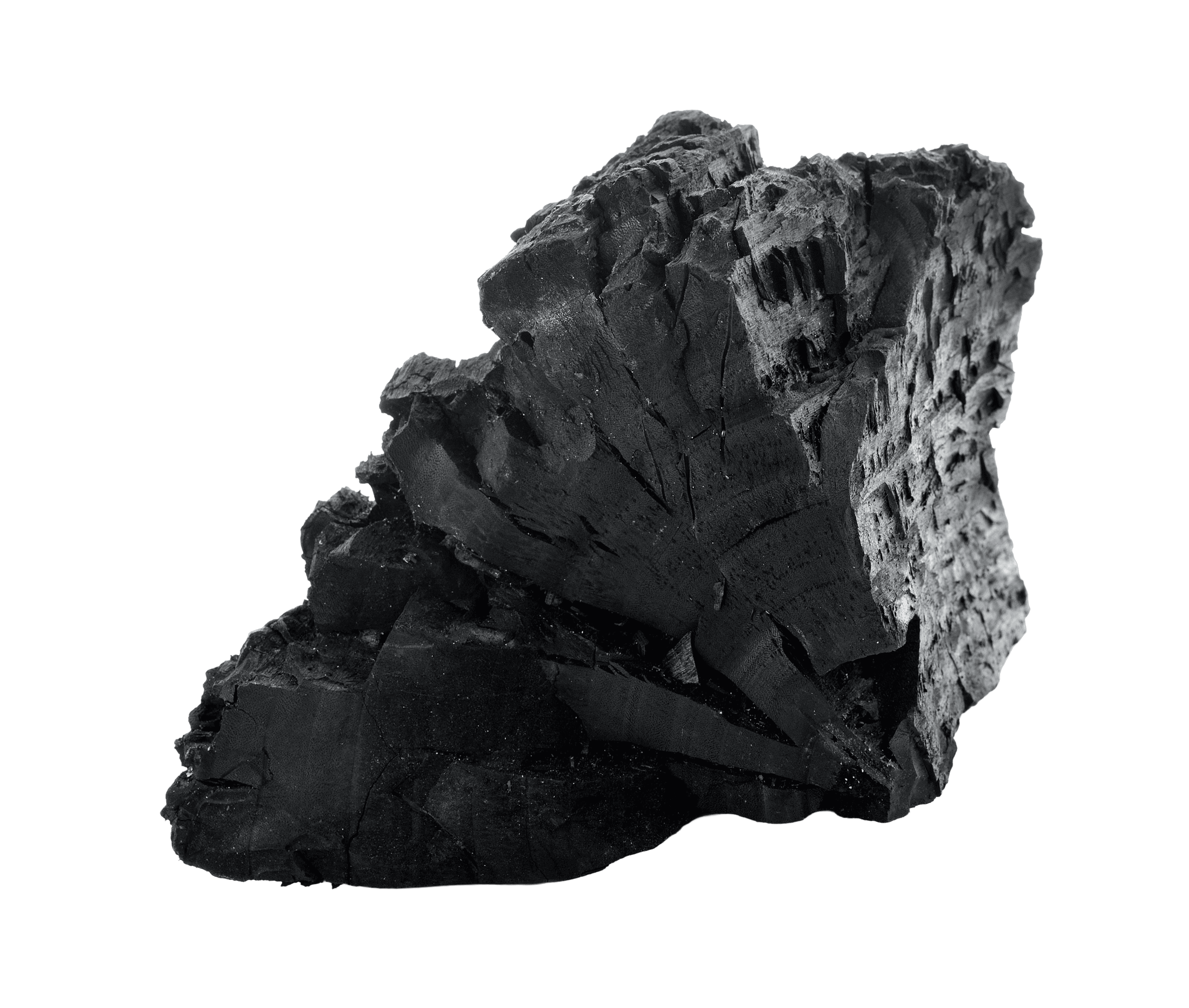
Gigablue develops Carbon-Carrier Pod technology for high durability deep-ocean carbon sequestration. Operating under the Puro.earth Marine Carbon Fixation & Storage (MCFS) Methodology, our field trials are independently certified and conducted in compliance with international maritime frameworks.
Join the Journey
Stay updated with our carbon removal initiatives and latest developments.
By providing your email you agree to receive periodic communications from Gigablue.
Gigablue develops Carbon-Carrier Pod technology for high durability deep-ocean carbon sequestration. Operating under the Puro.earth Marine Carbon Fixation & Storage (MCFS) Methodology, our field trials are independently certified and conducted in compliance with international maritime frameworks.
Join the Journey
Stay updated with our carbon removal initiatives and latest developments.
By providing your email you agree to receive periodic communications from Gigablue.
Gigablue develops Carbon-Carrier Pod technology for high durability deep-ocean carbon sequestration. Operating under the Puro.earth Marine Carbon Fixation & Storage (MCFS) Methodology, our field trials are independently certified and conducted in compliance with international maritime frameworks.